DAILY NEWS

Latest hot news all day long.

DAILY NEWS

Latest hot news all day long.

DAILY NEWS

Latest hot news all day long.

DAILY NEWS

Latest hot news all day long.

DAILY NEWS

Latest hot news all day long.

Cheryl Burke's Emotional Revelation After Not Recognizing Her Reflection

Featured Image

A Journey of Sobriety and Self-Discovery

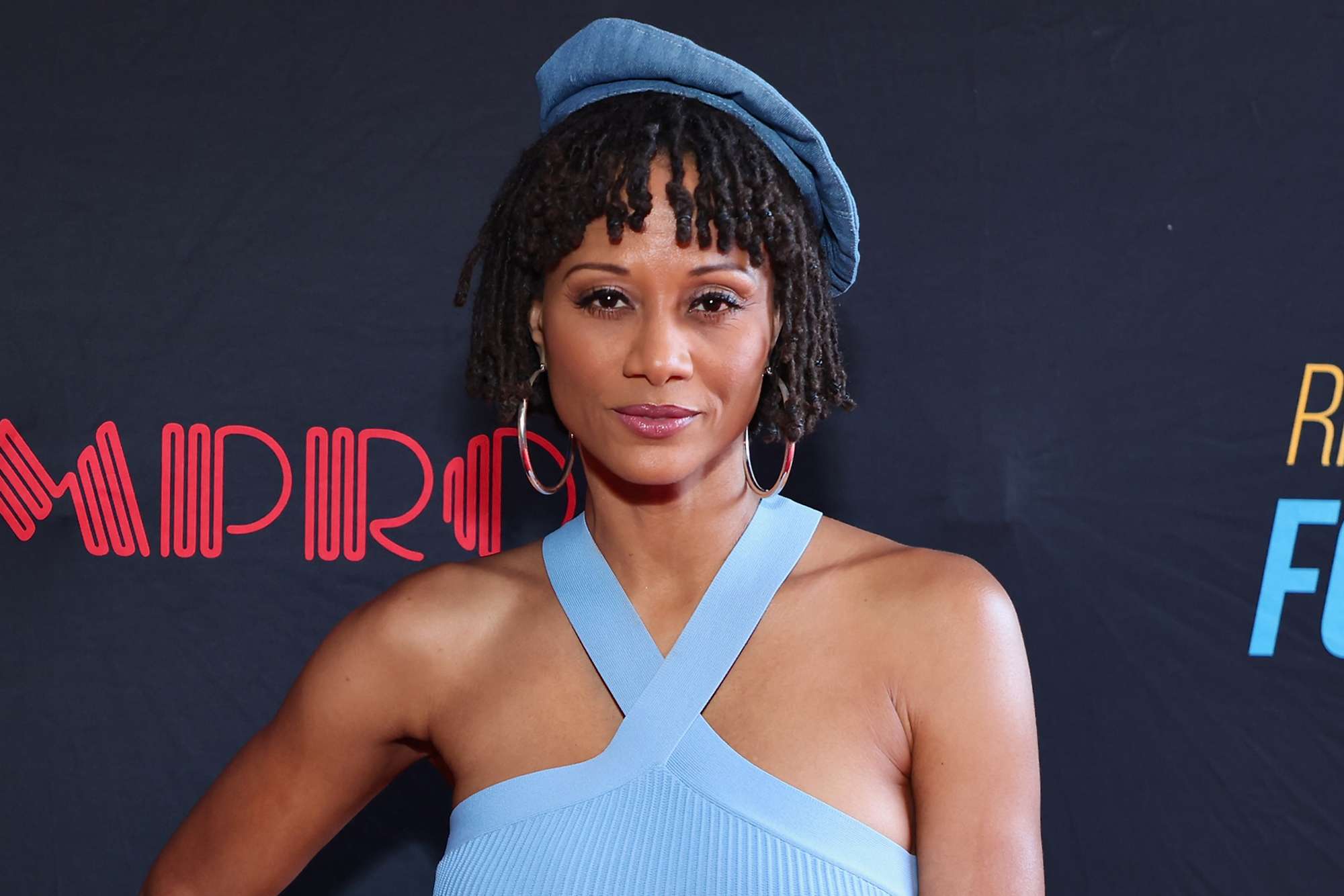
Cheryl Burke has been receiving an outpouring of support after sharing a heartfelt message about her journey to sobriety. On Wednesday, she took to social media to mark seven years of staying sober and shared a powerful eight-slide photo gallery that illustrated the things she once thought she’d miss about drinking—but no longer do.

Many fans have expressed admiration for Cheryl’s strength and resilience, with one comment reading: “Seven years of choosing yourself every single day. That’s beautiful, CB. Sending you love and light.” Another fan added: “You are an inspiration to so many! Congratulations!!! So happy for you choosing yourself every day. And you can still be fun without alcohol!”

Cheryl opened up about the emotional struggle she faced during her early days of sobriety. She admitted that she once believed she would miss “the ability to numb everything—the pain, the pressure, the pretending,” as well as “liquid courage” that made her feel “magnetic, untouchable, more loveable.” She also thought she’d miss being “the ‘fun one.’ The life of the party,” along with “fake intimacy” and “freedom.”

However, she quickly realized that addiction wasn’t freedom at all—it was “a cage dressed up like a good time.” After quitting drinking, Cheryl found something new: “peace, presence, power, me.” She reflected on her journey by saying, “7 years sober. And not one thing I thought I’d miss is worth going back for. If you're struggling: there is another way. I promise you, it's beautiful.”

In a long caption, Cheryl shared more insights into her transformation. She described how, seven years ago, she believed sobriety would mean losing everything—“the fun, the freedom, the fearless version of me I thought only showed up after a drink.” But what she didn’t realize then was that the escape she craved was actually from herself. “The girl I ran from? She was the one waiting to save me,” she wrote.

Cheryl also spoke about how she used to think alcohol gave her confidence, connection, and control. “Turns out, it stole those things quietly—day by day—until I couldn't recognize my own reflection,” she said. Today, she no longer chases chaos disguised as fun, nor does she tolerate connections that require her to abandon herself. “I no longer mistake numbness for peace,” she explained.

What she once thought she’d miss in sobriety, she now realizes, was never real to begin with. Instead, she has gained “presence, peace, self-respect, and a relationship with my Higher Power that reminds me I was never walking alone—not even in my darkest moments.”

She concluded her message with a powerful statement: “If you're reading this and wondering if it's possible—I promise you, it is. There's a whole world on the other side of rock bottom. And it's so much more beautiful than I ever imagined.”

Cheryl also shared a glimpse into her past, admitting that before getting sober, she was drinking seven days a week and described herself as a “functioning drunk.” In 2021, she openly identified as an alcoholic and addict on Elizabeth Vargas’ Heart of the Matter podcast, stating, “I'm definitely an alcoholic and addict. Absolutely. Yes, 100%.”

Her journey serves as a reminder that recovery is not just about giving up a substance—it’s about reclaiming your life, your identity, and your future. As Cheryl continues to celebrate her sobriety, she remains a beacon of hope and inspiration for others who are on their own paths to healing.

India lures Western fashion brands — but cultural missteps carry high costs

Featured Image

The Rise of Indian Craft in Global Fashion

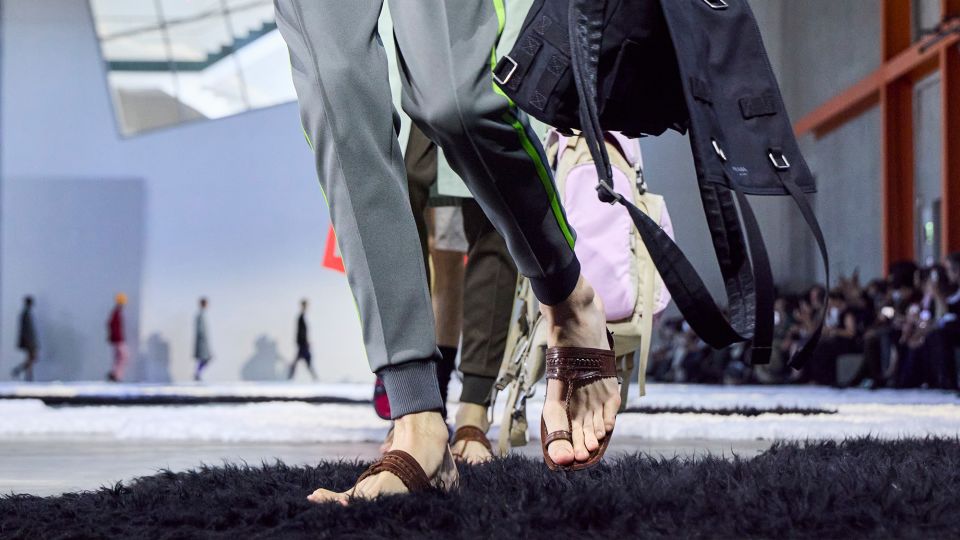
When Prada sent several pairs of brown sandals with distinctive toe rings and intricate stitching down its menswear runway in Milan last month, observers were quick to point out their resemblance to a centuries-old piece of Indian heritage. The storied Italian fashion house may have presented the shoes as a new luxury creation, but many in India simply saw a pair of Kolhapuri chappals — traditional hand-crafted sandals with roots stretching back to the 12th or 13th century.

Prada’s initial failure to acknowledge the inspiration behind the shoes sparked fierce and ongoing debate over cultural appropriation. Critics accused the label of erasing the legacy of Indian artisans, with voices across social media calling out what they saw as blatant design theft. Within a week, Prada had acknowledged in a letter to an Indian trade group that the sandals in its men’s Spring-Summer 2026 collection were indeed “inspired by traditional Indian footwear.” In a statement to Daily News, the brand said it has “always celebrated craftsmanship, heritage and design.” Prada later added that it had met artisanal footwear manufacturers in India “to discuss potential opportunities for future collaboration.”

Prada’s readiness to confront the controversy could be a reflection of the fashion industry’s growing interest in India’s luxury consumers — and a reluctance to anger them. But the episode also epitomizes how Western labels have often struggled to meaningfully engage with the country’s crafts and culture.

A Booming Luxury Market

India’s luxury market is on a dramatic ascent, estimated to expand from $7.73 billion in 2023 to $11.3 billion by 2028 — a rate that would likely outpace most of the world’s major luxury markets, according to global consulting firm Kearney. This projected growth is fueled by a rising middle class, increased urbanization and a new generation of brand-conscious, internationally minded young consumers.

But today’s Indian luxury consumer is “no longer a singular archetype,” according to the celebrated Indian fashion designer Gaurav Gupta. “We’re seeing a beautifully diverse audience, from second-gen industrialist families to first-gen digital entrepreneurs, artists and global citizens — who are all looking for something deeper than just a logo,” he said in an email.

Major brands have been investing heavily in response. Louis Vuitton, Balenciaga and Valentino are among the fashion houses that have opened flagship stores in Mumbai or Delhi in the last three years. Others have collaborated with Indian labels or creatives on designs intended to speak more authentically to local audiences.

Some of these brands are “adapting beautifully,” Gupta said, but the “real disconnect happens when brands view India as a commercial opportunity rather than a cultural dialogue,” he added. “The Indian buyer wants to feel seen. It’s no longer enough to just open a flagship in Mumbai, you need to speak the emotional and visual language of the market.”

Age-Old Debate

Indian inspiration is as essential to Western fashion as pajamas and Madras plaid. But accusations of cultural appropriation have intensified in recent years due to the growth of internet access in the country, the rise of social media platforms and a surging sense of cultural pride.

“A lot of Indian people, including designers and artisans, are aware of their rights,” said Toolika Gupta (no relation), director at the Indian Institute of Crafts and Design (IICD) in Jaipur, in an email, adding: “They want acknowledgment of their legacy.”

In 2019, fashion house Gucci sparked controversy with its “Indy Full Turban,” sold for $790 on Nordstrom’s website. The blue headpiece closely resembled the traditional Sikh turban, prompting backlash from Sikh communities in India and elsewhere. It was eventually removed from the website, with Nordstrom quickly apologizing amid the backlash.

Just this year, the clothing company Reformation was criticized for selling a blouse, skirt and scarf that reminded many South Asians of the lehenga, an Indian garment consisting of a long skirt, top and a dupatta (scarf), a staple of Indian fashion for centuries and typically draped across a woman’s chest. Some took issue with Reformation’s lack of acknowledgment for the garment.

In a statement to The Washington Post, Reformation said the design in question was inspired by a 1990s-era John Galliano gown and scarf set owned by the model Devon Lee Carlson, with whom it collaborated on the collection.

H&M, meanwhile, recently came under fire for a sleeveless sheer “long camisole” top and trouser set that many social media users likened to the salwar kameez, a traditional Indian tunic and pant.

In a statement to Daily News, H&M said the design took “inspiration from current fashion trends like dresses layered over pants and the popularity of sheer pieces, as well as various plays on transparency and movement.”

It’s not just labels that have sparked controversy. Frustration spilled onto TikTok last year after the fashion rental company Bipty posted a now-deleted video featuring White women wearing sheer shawls draped across their chests, describing the look as “very European effortlessly chic.” South Asian users on the platform immediately noted the similarities between the shawl and a dupatta. Many posted their own videos draping dupattas and mockingly dubbing them “Scandinavian scarves,” using humor and irony to highlight the apparent erasure and misrepresentation of Indian heritage.

Bipty did not respond to Daily News’s request for comment.

More Than a Manufacturing Hub

High fashion’s relationship with Indian artisans stretches back to at least the 17th century, when Europe’s royal tailors sought out textiles like cotton and silk from the subcontinent. Over centuries, this cross-continental exchange has transformed Indian motifs from prized curiosities into ubiquitous elements of Western style.

According to IICD’s Gupta, textiles such as chintz and paisley are deeply rooted in India’s rich artistic traditions and have long inspired global fashion, though their origins are now frequently overlooked.

But India is not just a source of inspiration for luxury fashion — it’s also an integral part of its supply chains. Today, a significant segment of the industry’s manufacturing is outsourced to ateliers, embroiderers and textile producers in India.

Yet, despite Indian artisans’ foundational role, their creations are often shipped to Europe for final assembly and can thus be labeled as being “made” in Europe. This kind of erasure, according to Imran Amed, founder, CEO and editor-in-chief of the industry publication The Business of Fashion, has “reduced India to a manufacturing hub while Europe gets the cultural and economic credit.”

“In India, where craft is livelihood for millions, this distinction matters even more. It’s not just about symbolism — it’s about economic justice and dignity,” he said via email.

The backlash Prada faced “wasn’t just about a sandal,” Amed added. “It was a broader reaction to a long history of erasure and under-acknowledgment.”

‘Something Truly Indian’

Homegrown designers are helping to change things. Indian fashion is having a striking impact on red carpets worldwide — and not only on the backs of Bollywood stars. Western celebrities are increasingly embracing Indian designers, too.

Cardi B wore a custom-made, electric blue, hooded sculptural gown by Gaurav Gupta to the 2023 Grammys, while Zendaya walked the carpet in a shimmering, hand-embroidered blue sari gown by Rahul Mishra at a high-profile event in Mumbai months earlier. Kim Kardashian, meanwhile, has worn designs by the likes of Manish Malhotra and Sabyasachi Mukherjee, who last year became the first Indian fashion designer to attend the exclusive Met Gala in New York.

“It’s a powerful shift, almost like we’re reclaiming our own narrative,” Gaurav Gupta told Daily News. “Designers from India are now presenting on the global stage not as ‘ethnic’ alternatives, but as innovators with our own language, our own shapes, our own ideologies. We’re not adapting to fit in anymore; we’re expressing to stand out.”

For many Indians, the Kolhapuri chappals that Prada said it was “inspired” by represent the ingenuity and artistry of Kolhapur, a historic city nestled in the country’s western Maharashtra state.

Typically crafted from locally sourced buffalo hide and tanned using traditional vegetable dyes, the sandals could effectively withstand the relentless heat and rugged terrain of the Deccan Plateau. The distinctive toe loop, which is attached to the T-strap, helped keep them close to the wearers’ feet.

Cutting across generational and social divides, the Kolhapuri chappal embodies both the enduring spirit of rural India and a bridge to contemporary fashion. The shoe is protected by a coveted “geographical indication” tag — like the one ensuring Champagne is only produced in France’s Champagne region — that, in theory, safeguards this symbol of Indian heritage from copycats.

“It’s something truly Indian,” said Shubhika Sharma, the prominent Indian fashion designer and founder of the label Papa Don’t Preach, in a video interview. Prada’s initial failure to acknowledge the Indian artisans behind the design amounted to a “missed opportunity for Indian craftsmanship,” Sharma added.

About 10,000 artisan families in Kolhapur are engaged in the chappal trade, according to local media reports, though many of them struggle in poor conditions and earn low wages.

In India, Kolhapuri chappals can retail for as little as $5 or as much as $100, depending on the quality of leather and level of craftsmanship. While Prada’s sandals had not hit the market at the time of last month’s controversy, the luxury fashion house’s shoes typically retail at prices ranging from $700 to well over $2,000.

For Sharma, “everything just boils down to respect,” she said. “Was due respect given to the creator, to the person who originated it, to the culture that originated it?”

Some Western labels have proven better at engaging with Indian audiences than others. In 2023, Dior made headlines by hosting a landmark runway show at Mumbai’s historic Gateway of India, unveiling a Pre-Fall collection that celebrated the subcontinent’s artistry. The collection featured Banarasi brocade, mirror work, tie-dye detailing, Nehru collars and kurta tailoring — motifs deeply rooted in Indian tradition and craftsmanship.

Many of the embroideries and textiles on the runway were made by the Mumbai atelier Chanakya International, which was credited for its role. The show was widely hailed as a respectful homage, with Vogue India’s fashion director Anaita Shroff Adajania describing it as “a thank you to India.”

Amed, from The Business of Fashion, meanwhile, called the collaboration between Chanakya International and Maria Grazia Chiuri, then Dior’s creative director, as “thoughtful… not performative,” adding: “Chiuri hasn’t just sourced embroidery from India; she’s spotlighted the artisans, acknowledged the lineage of the craft, and in doing so, helped shift perceptions of where luxury value is created.”

Similarly, last month, Nike launched its first collaboration with an Indian fashion label, the Delhi-based brand NorBlack NorWhite, unveiling a vibrant range of sportswear inspired by ancient tie-dye techniques. The move was broadly celebrated by social media users in India, a country in which Nike has long struggled to make commercial inroads.

For Diet Sabya’s founder, however, much more must be done to ensure genuine recognition for Indian talent and traditions.

“When India is being eyed as the next big luxury market, you can’t keep treating it like an exotic pitstop,” they said. “While a few brands are finally acknowledging us as the global textile powerhouse we are — it’s still crumbs. Visibility is a start. But equity is the end goal.”


Stardock's Elemental: Reforged Seeks to Complete Its 2008 Vision

Featured Image

A New Chapter for Stardock’s Fantasy 4X Vision

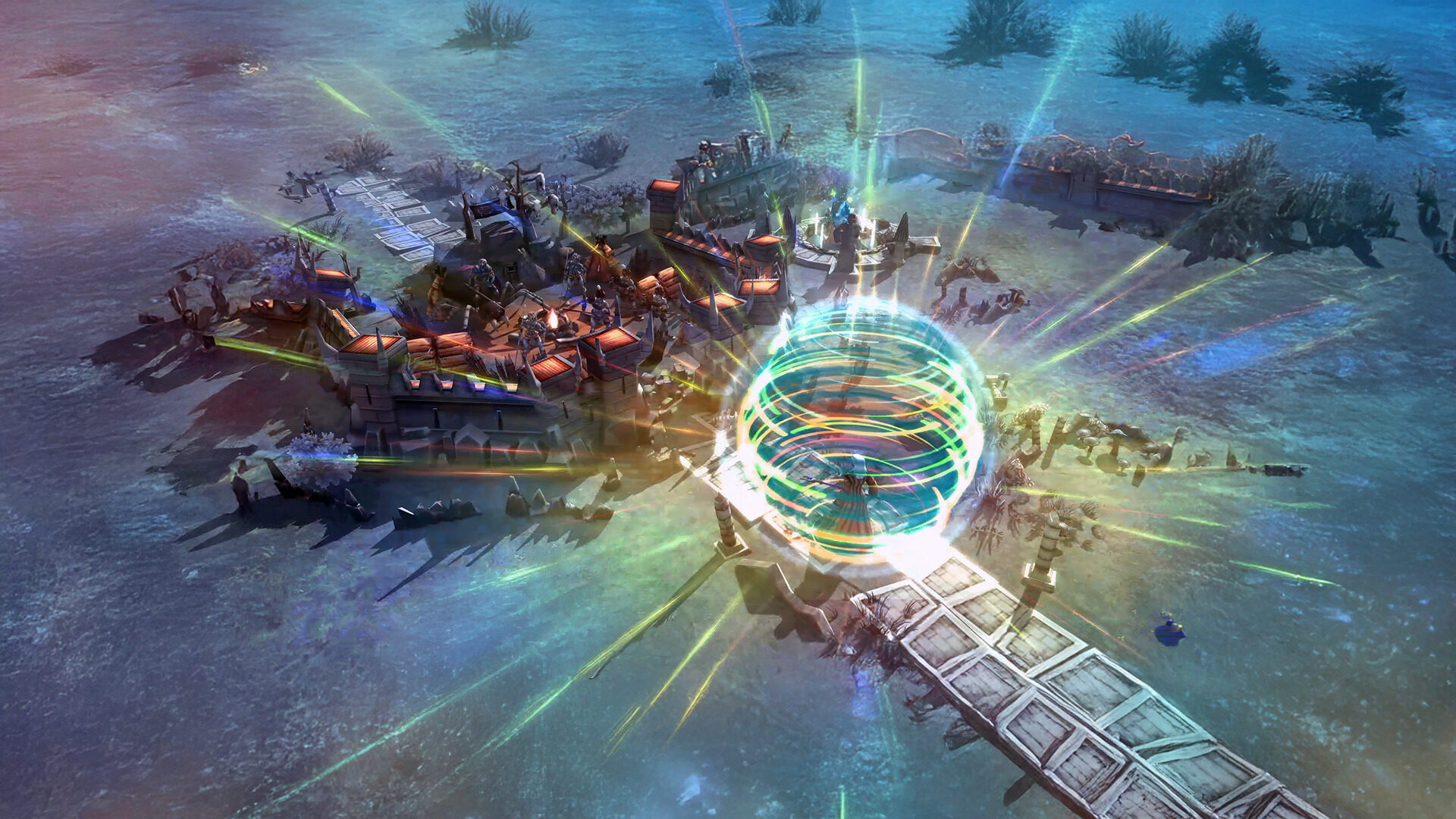
Stardock has once again set its sights on delivering an ambitious fantasy 4X experience with the release of Elemental: Reforged. This latest iteration is a complete rebuild and reimagining of the long-running series, which was first conceived in 2008 following the studio's success with titles like Galactic Civilizations II and Sins of a Solar Empire. The original vision for the Elemental series was to create the ultimate fantasy civilization experience. However, the technological limitations of the late 2000s—particularly the constraints of 32-bit computing—forced Stardock to scale back its initial ambitions.

The result was the 2010 launch of Elemental: War of Magic, a game that received praise for its innovative ideas but was plagued by technical issues and a reduced scope compared to what had been originally planned. Despite these challenges, the game laid the groundwork for future developments within the series.

Evolution Through Iteration

Learning from the struggles of Elemental, Stardock continued to refine its approach with subsequent titles such as Fallen Enchantress and Sorcerer King. These games introduced more robust questing and crafting systems, helping to move the series forward in meaningful ways. However, they still fell short of the original vision due to ongoing hardware constraints.

Now, with the advantage of a modern 64-bit engine and significant advancements in PC performance, Stardock claims that Elemental: Reforged will finally realize the full potential of the original concept. Brad Wardell, CEO of Stardock Entertainment and lead designer of the Elemental franchise, emphasized this point: “With Elemental: Reforged, we’re finally able to deliver the original design we wanted.”

Wardell described the iterative process that led to this moment: “As we developed Elemental, we realized that the design wouldn’t fit in a 32-bit game and pared it down into Elemental: War of Magic, which still had challenges fitting into a 32-bit memory space. So then we made Elemental: Fallen Enchantress, which did much better but was still a shadow of what we had designed. Then we made Elemental: Sorcerer King, where we focused on the crafting and quest elements of the original design. Now, thanks to remastering the engine to 64-bit, we can actually make the full game we originally envisioned in 2008.”

Features and Innovations

Elemental: Reforged is set to integrate the best elements from each previous release while introducing all-new features. Players can expect dynamic procedural worlds, RPG-inspired unit customization, intricate narrative quests, and more. The game allows players to craft heroes and factions with unique backgrounds, witness environments shift in response to magic, and engage in detailed tactical combat. The AI system offers flexibility, either streamlining or deepening empire management based on player preferences.

From early previews, the game looks stunning. As someone who loves fantasy and strategy games, the evolution of the Elemental series with this new iteration is genuinely exciting.

A Unique Blend of Strategy and RPG

“What makes Elemental unique is that it’s a strategy game in an RPG world,” Wardell added. “The world really is your sandbox. You can create your own character and even your own faction to bring into this world.”

In addition to gameplay features, Stardock is promising a modern visual overhaul powered by DirectX 11. The game will also offer seamless strategic and tactical views, a rebuilt user interface, and deeply integrated modding tools—complete with Steam Workshop support. For fans of the series, these renewed efforts go beyond what many may have expected and appear poised to deliver a game that surpasses the original vision.

Stardock’s Legacy in Strategy Gaming

Stardock Entertainment, based in Plymouth, Michigan, has a long legacy in strategy and simulation gaming. The studio began in 1993 with Galactic Civilizations and has since continued with genre staples such as Sins of a Solar Empire and Ashes of the Singularity. While no firm release date has been announced, fans eager to experience Elemental: Reforged can head over to Steam to add it to their wishlist.

Former Spotify Executive Launches Alta Music Group

Featured Image

A New Era in Music: Jeremy Erlich Launches Alta Music Group

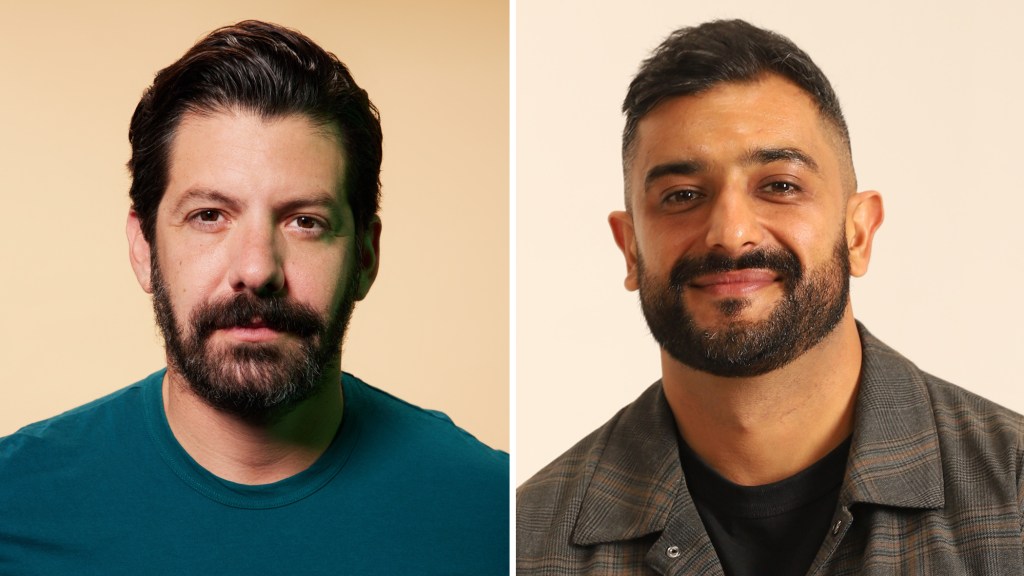
Nine months after stepping down from Spotify, Jeremy Erlich has taken a bold step into the music industry by launching Alta Music Group. Based in Los Angeles, this new company is set to operate as a full-service entity with divisions covering recorded music, music publishing, and artist management. The launch marks a significant shift for Erlich, who previously held high-ranking positions at some of the most influential companies in the music world.

Alta's first major client is Jennie of Blackpink, who recently released her debut solo album Ruby through Columbia Records. This partnership highlights the company’s ambition to support artists in achieving global success. In addition to managing talent, Alta is collaborating with Sony’s distribution arm, The Orchard, to ensure that its artists reach a wide audience. The company has also formed a strategic alliance with TheBlackLabel, a label founded by producer Teddy Park.

Erlich expressed his vision for Alta during a statement, emphasizing his long-term focus on creating an environment where artists can thrive. “With ALTA, we have the opportunity to do just that – a best in class team focused solely on supporting our artists and the music they create,” he said. He also thanked the artists and executives who have already placed their trust in the company.

Before joining Spotify, Erlich had a successful career in the music industry, starting as a VP and head of music strategy in 2019. He was later appointed as the global head of music in 2021. Prior to that, he worked at Universal Music Group and its subsidiary Interscope Geffen A&M. His extensive experience has given him a deep understanding of the industry, which he now aims to apply to Alta.

Brad Navin, CEO of The Orchard, praised Erlich’s decision to launch Alta, calling it a testament to his entrepreneurial spirit and commitment to artist development. “His artist-first philosophy aligns with The Orchard's mission to empower creators,” Navin said. The collaboration between The Orchard and Alta is expected to provide valuable resources for the company’s artists, helping them reach audiences around the world.

Erlich is not alone in building Alta. He has assembled a team of experienced professionals, many of whom come from the Interscope system. Key members include Nima Khalilian, Parker Ulry, Drake Hofer, Elise Eriksen, Gillian Taugher, and Michael Seltzer. Khalilian, who serves as the General Manager at Alta, previously held roles at Stem and Interscope. Ulry spent six years at Interscope as a digital product management executive, while Seltzer brings decades of experience from Universal Music Group.

Khalilian shared his perspective on the company’s mission, stating, “ALTA is about putting artists first and helping them navigate an ever-evolving industry with a clear strategy.” He emphasized the importance of being a strong partner to artists, enabling them to build lasting legacies.

As Alta Music Group prepares to make its mark, it is clear that Erlich and his team are committed to redefining how artists are supported in the modern music landscape. With a strong foundation and strategic partnerships, the company is well-positioned to become a key player in the industry.

Dragon Ball Chronology: Watch the Series and Movies in Order

Featured Image

Understanding the Dragon Ball Franchise

Dragon Ball, created by Akira Toriyama, is one of the most influential anime series ever made. It has captivated audiences for decades, and new generations continue to discover its rich universe. However, with so many series and movies, it can be overwhelming for newcomers to know where to start. The sheer number of shows and films makes it challenging to determine the right order to watch them in.

For those who want to dive into the franchise, there are two main approaches: watching in release order or following the chronologically tangled canon. Each method offers a different experience, and understanding the differences can help fans make informed choices about how to enjoy the series.

What is Dragon Ball About?

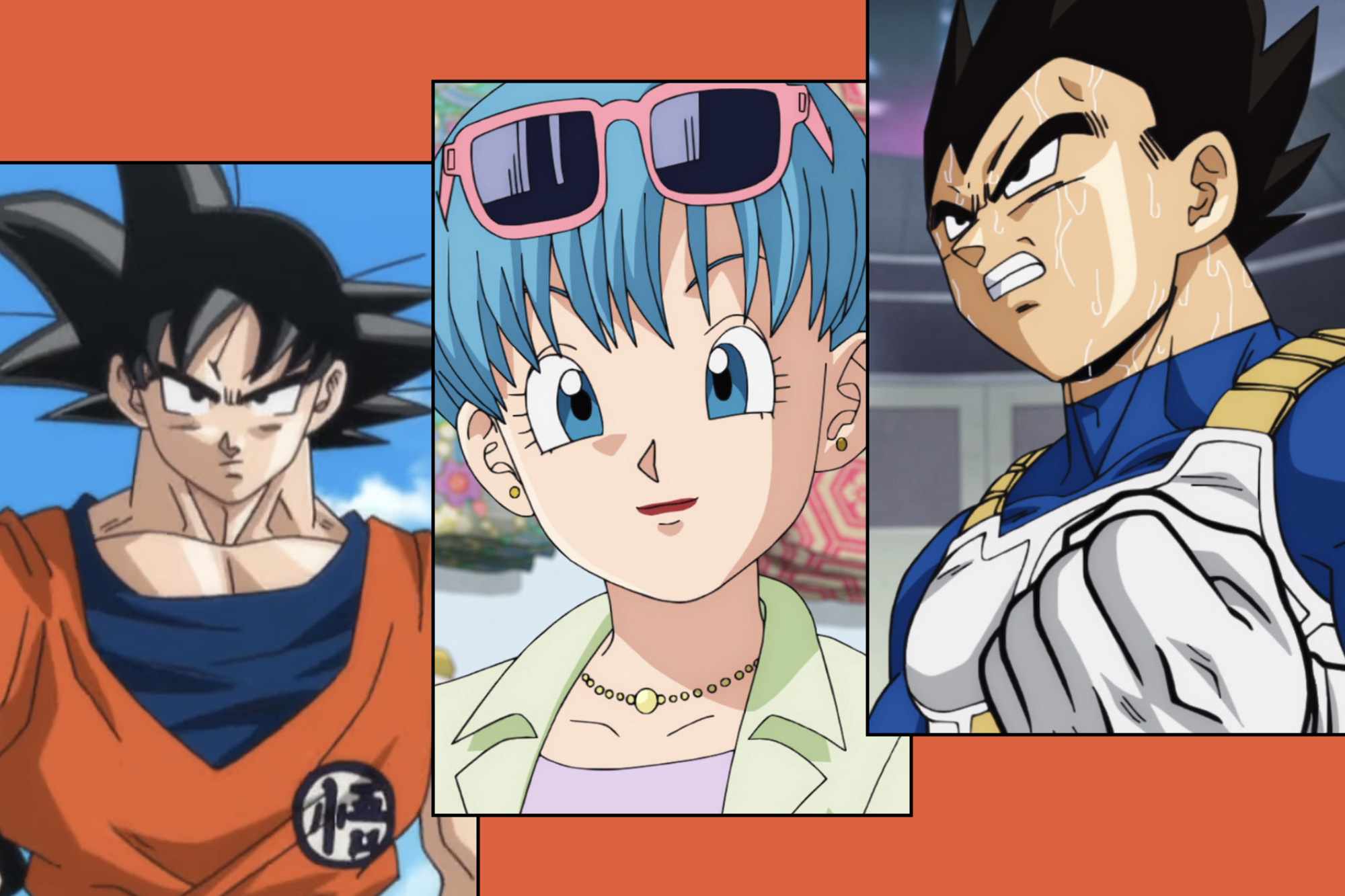
At its core, Dragon Ball follows the journey of Goku, a young warrior who begins his training at an early age and continues to grow stronger throughout the series. The original Dragon Ball series showcases Goku’s growth as he competes in the World Martial Arts Tournament against increasingly difficult opponents. Along the way, his relationships with friends like Krillin and Bulma, as well as enemies like Piccolo, evolve significantly.

As the series progresses into Dragon Ball Z, Goku becomes an adult with a family of his own. His life takes a dramatic turn when he uncovers a secret about his origins. The stakes rise, with battles that threaten to destroy entire planets. In Dragon Ball Super, Goku faces cosmic gods and embarks on a quest to become the strongest warrior in existence.

Watching Dragon Ball in Release Order

If you prefer to follow the chronological release of the series, the order is relatively straightforward. Start with the original Dragon Ball, then move on to Dragon Ball Z, followed by Dragon Ball GT, Dragon Ball Super, and finally the latest installment, Dragon Ball Daima.

The challenge comes with the movies, which are interspersed throughout the franchise. For example, the first Dragon Ball movie premiered after the show began and is set after the first 43 episodes. However, until Dragon Ball Z: Battle of Gods, none of the movies were part of the official canon, meaning they aren’t essential for understanding the events of the shows. This gives viewers the flexibility to choose whether to watch the movies alongside the series or save them for later.

Here is a list of the Dragon Ball series and movies in release order:

  • Dragon Ball (1986)
  • Dragon Ball: Curse of the Blood Rubies (1986)
  • Dragon Ball: Sleeping Princess In Devil’s Castle (1987)
  • Dragon Ball: Mystical Adventure (1988)
  • Dragon Ball Z: Dead Zone (1989)
  • Dragon Ball Z (1989)
  • Dragon Ball Z: The World’s Strongest (1990)
  • Dragon Ball Z: The Tree of Might (1990)
  • Dragon Ball Z: Bardock–The Father of Goku (1990)
  • Dragon Ball Z: Lord Slug (1991)
  • Dragon Ball Z: Cooler’s Revenge (1991)
  • Dragon Ball Z: The Return of Cooler (1992)
  • Dragon Ball Z: Super Android 13! (1992)
  • Dragon Ball Z: The History of Trunks (1993)
  • Dragon Ball Z: Broly–The Legendary Super Saiyan (1993)
  • Dragon Ball Z: Bojack Unbound (1993)
  • Dragon Ball Z: Broly–Second Coming (1994)
  • Dragon Ball Z: Bio-Broly (1994)
  • Dragon Ball Z: Fusion Reborn (1995)
  • Dragon Ball Z: Wrath of the Dragon (1995)
  • Dragon Ball GT (1996)
  • Dragon Ball: The Return of Son Goku and Friends! (2008)
  • Dragon Ball: Episode of Bardock (2011)
  • Dragon Ball Super (2013)
  • Dragon Ball Z: Battle of Gods (2013)
  • Dragon Ball Z: Resurrection F (2015)
  • Dragon Ball Super: Broly (2018)
  • Super Dragon Ball Heroes (2018)
  • Dragon Ball Super: Super Hero (2022)
  • Dragon Ball Daima (2024)

Watching Dragon Ball in Canon Order

Watching Dragon Ball in canon order is more complex due to the inclusion of movies that may not directly impact the main storyline. Most of the earlier movies are considered non-canon and do not affect the events of the shows. Only the most recent films, such as Dragon Ball Z: Battle of Gods, Dragon Ball Z: Resurrection F, Dragon Ball Super: Broly, and Dragon Ball Super: Super Hero, have a direct impact on the series.

One of the trickiest decisions involves Dragon Ball GT, which is not based on the manga and was not heavily involved by Akira Toriyama. While some fans consider it non-canonical, others argue that its inclusion in the official timeline makes it canonical. Additionally, Dragon Ball Daima takes place before Dragon Ball Super, adding another layer of complexity to the timeline.

Fans who prefer to stick closer to the manga can opt for Dragon Ball Z Kai, which omits filler episodes. However, if you're interested in watching all of Dragon Ball Z, including filler content, you'll need to account for that in your viewing plan.

Which Dragon Ball Movies Are Not Canon?

Strictly speaking, none of the original Dragon Ball and Dragon Ball Z movies are considered canon. They are not based on the manga and often don't influence the main storyline. Dragon Ball Z: Dead Zone is an exception, as it serves as a prequel to Dragon Ball Z and is referenced in later episodes. However, most fans still consider it non-essential.

With the arrival of Dragon Ball Super, the franchise embraced canonical movies. Fans are encouraged to watch these films, starting with Dragon Ball Z: Battle of Gods, as they provide valuable context for the events between episodes.

Where Can I Watch Dragon Ball?

The best platform to stream most of the Dragon Ball franchise is Crunchyroll. It offers nearly all of Goku's adventures, including every Dragon Ball TV series and most of the movies. If you prefer to rent the films, they are available on Amazon Prime, Apple TV+, and other platforms.

Whether you choose to watch in release order or follow the canon timeline, the journey through the Dragon Ball universe is long but rewarding. By the end, you’ll understand why Goku remains one of the most beloved characters in anime history.

Finding Joy in Your Workday, Experts Say—Here's How

Featured Image

Embracing Joy in the Workplace

Bree Groff has a unique motto: "Most work, most days, should be fun." As an author and senior advisor at SYPartners, a management consultancy, she recognizes that "fun" is not the first word that most people would associate with their job. However, Groff is on a mission to challenge the idea that work has to be a monotonous grind.

"There's been this shared philosophy that struggle is what makes greatness, or that nothing worth doing ever comes easily," she says. "I want to provide a bit of a counter narrative." In her recent book, "Today Was Fun: A Book About Work (Seriously)," Groff argues that going to the office shouldn't feel like a chore. Instead, it should be a place where we find joy and camaraderie.

From a young age, Groff remembers seeing her parents, who both worked in education, laughing and joking with co-workers when she visited them at their jobs. "I grew up thinking that work was a place to have fun," she says. Her belief that work should be enjoyable strengthened when her late mother was diagnosed with stage 4 cancer. Groff had an epiphany at the doctor's office: while every cancer patient was praying for more time, "everyone at the office is just hoping for Friday," she says. "We're just really not valuing our days properly. Our days at work are also our days on this planet."

The Power of Connection

Today, Groff adheres to a simple philosophy: "If I want to enjoy my life and have fun in my life, and work is a big part of it, then ergo, work should also be fun." Of course, you don't have to be a professional ice cream taster to enjoy work. In fact, having fun at your job has less to do with your actual work, and more to do with your co-workers, Groff says.

Groff uses the classic sitcom "The Office" as an example: while working in paper sales at Dunder Mifflin was objectively boring, the employees always seemed to have a good time together. Forming authentic relationships is the key to a happy workplace, Groff says.

On every team she manages, Groff encourages each of her employees to create a personal "user manual" to share with other co-workers. The user manual can contain information on everything from the most important people in their lives to their preferred communication style. "Sometimes what feels so dreadful and inhuman about work is that we don't know the people that we work with," Groff says. "We can work with someone for years before realizing like, oh, you have a brother."

Building Meaningful Relationships

Building meaningful relationships also requires vulnerability— which isn't always common at the office. To promote emotional honesty, Groff asks her team to rate their day on a scale of 1 to 5 at the beginning of each meeting. The practice makes everyone feel "a lot more grounded and seen." "Small acts of connection are good for reminding us that it's not all so heavy," she says.

Of course, not every day will be a walk in the park — "that's just part and parcel of doing things with other humans," Groff says. However, "a little bit of connection can go a long way," she says.

Enhancing Communication Skills

Want to be a successful, confident communicator? Consider taking an online course to develop your skills. Learn how to speak clearly and confidently, calm your nerves, what to say and not say, and body language techniques to make a great first impression.

Additionally, sign up for newsletters that offer tips and tricks for success at work, with money, and in life. You can also request to join exclusive communities on LinkedIn to connect with experts and peers. These resources can help you build stronger relationships and foster a more enjoyable work environment.

How to Harvest Rosemary Correctly for Continuous Growth

Featured Image

Understanding the Importance of Proper Rosemary Harvesting

Rosemary (Salvia rosmarinus) is a versatile and resilient herb that thrives in sunny conditions and can tolerate drought. It adapts well to various temperatures, making it a popular choice for gardeners. However, one aspect of growing rosemary that requires attention is how it is harvested. If not done correctly, overharvesting can harm or even kill the plant. Ensuring proper harvesting techniques helps maintain the health and productivity of your rosemary plant.

Regular pruning encourages new growth and keeps the plant bushy and productive. On the other hand, if left unpruned, rosemary can become woody with bare patches that stop producing leaves. For those who frequently use rosemary in their cooking, maintaining a consistent harvesting schedule is an excellent way to keep the plant healthy. With the right tools and knowledge, you can learn how to harvest your rosemary plant effectively and preserve it for year-round use.

When to Harvest Rosemary

Rosemary is an evergreen, perennial herb that grows throughout the year in warm climates. Before starting to harvest, it's important to wait until the plant is well-established and has reached at least 12 inches in height. This process may take a year or more. Once established, you can take small amounts of rosemary throughout the year, but larger, regular harvests should be done during spring and summer when the plant is actively growing.

The best time to harvest rosemary is in the morning after any dew has evaporated. At this time, the essential oils in the leaves are most concentrated, which means the flavor and fragrance will be at their peak. As the day progresses, heat causes these oils to evaporate, reducing the potency of the herb. To get the best flavor, it’s ideal to harvest rosemary just before it starts to flower. If you plan to dry it, harvest it once the buds have formed but before the flowers open.

How to Harvest Rosemary Correctly

To ensure your rosemary plant continues to grow and thrive, it’s important to only remove up to a third of the plant at a time. Regularly cutting off the tender tips encourages bushier growth. For smaller plants, wait for new growth to replace what you’ve cut before harvesting again. Well-established plants with ample new growth can be harvested weekly.

When harvesting, look for healthy, tender stems from the outer branches. Avoid cutting the woody parts of the plant, as this can damage its structure. Harvesting from new growth also promotes more leaf production and a fuller plant. Use clean scissors or pruning shears to cut stems just below a leaf node. If you only need a small amount, cut 2 to 3 inches from the leaf tips. For a larger harvest intended for drying, cut softwood stems that are up to 8 inches long.

Work your way around the plant to harvest from all sides, ensuring balanced and even growth. This approach helps maintain the plant’s shape and encourages uniform development.

Harvesting Rosemary for Winter Storage

In regions where temperatures drop below freezing, rosemary can be grown as an annual. If you plan to overwinter your plant indoors, it’s best to harvest it before the cold weather sets in. For outdoor plants that thrive year-round, harvest before the first frost, but make sure to leave any new growth untouched for two weeks so the plant can recover before going dormant.

Storing Fresh Rosemary

The best time to harvest rosemary for storage is before it begins to flower, when the essential oils are most concentrated. Once harvested, fresh rosemary can be stored in the refrigerator for a couple of weeks. If you plan to use it soon, place the cut sprigs in a jar with an inch of water, like you would with flowers. Cover the jar loosely with a plastic bag to retain moisture, and change the water daily. Store the jar in the refrigerator.

You can also wrap fresh rosemary sprigs in a paper towel and store them in a resealable plastic bag in the crisper drawer. This method helps maintain freshness and extends the shelf life of the herb.

Freezing Rosemary

For longer-term storage, freezing is an effective option. Wash and thoroughly dry the rosemary before freezing. Spread the sprigs on a baking sheet and freeze for a few hours or until solid. You can then strip the leaves and transfer them to an airtight container, or keep the entire stems in a freezer bag. Frozen rosemary can last up to a year.

Drying Rosemary

Air-drying is a simple and effective method for preserving rosemary. After washing and drying the herb, gather it into a bunch, tie the ends, and hang it upside down in a warm, dry place with good ventilation. Allow it to dry for about two weeks. Once dry, strip the leaves from the stems and store them in an airtight container for up to a year.

Alternatively, you can dry rosemary in a food dehydrator or in the oven. To dry in the oven, spread the sprigs on a parchment-lined sheet pan and set the oven to its lowest temperature. Place the rosemary inside for two to four hours or until the sprigs are dry and brittle.

The Emotional Secret Behind Kristi Noem's Favorite Jewelry

Featured Image

The Meaning Behind Kristi Noem’s Signature Style

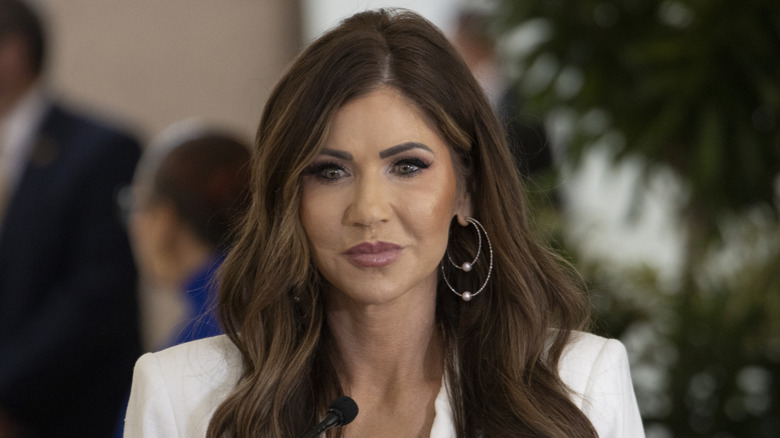
Kristi Noem, the U.S. Secretary of Homeland Security, has a wardrobe that reflects more than just fashion—it tells a story. While her style may evolve over time, one element remains constant: her love for pearls. This isn’t just a trend or a statement; it carries deep personal and spiritual significance.

In December 2023, Noem shared her connection to pearls on social media, revealing how this seemingly simple accessory holds a powerful message. Her journey with pearls began when she met Shari Turpin, the founder of Pearls by Shari. The two women quickly bonded over their shared faith in Jesus, and during their conversation, Turpin introduced Noem to the world of pearl jewelry.

At first, the idea of a store filled entirely with pearl-based jewelry seemed unusual to Noem. But Turpin explained the unique process behind pearl formation. She described how pearls are created when an oyster is irritated by a grain of sand, leading to the formation of a beautiful gem. This metaphor struck a chord with Noem, who saw a parallel between the oyster’s struggle and her own experiences.

Noem connected this natural process to her Christian beliefs, seeing it as a symbol of transformation through hardship. “God can use that challenge to make something beautiful out of it,” she wrote. For her, pearls represent the idea that even difficult times can be turned into something meaningful and beautiful through faith and forgiveness.

Today, Noem continues to incorporate pearls into her fashion choices, not just as a style choice but as a way to spark conversations. She often wears pearls as a reminder of her values and hopes that others will ask about them. “I pray someone will ask about it ... and I will get the chance to share with them that even hard times can be made beautiful with forgiveness and Jesus.”

Western Wear: A Reflection of Heritage

Beyond pearls, another consistent element in Noem’s wardrobe is her love for Western wear. Her cowboy hat collection is particularly notable, and it’s a staple in her public appearances. In fact, her official governor’s portrait features both her signature cowboy hat and pearls, highlighting the blend of her personal and professional identity.

For Noem, Western fashion is more than just a look—it’s a reflection of her roots in South Dakota. Raised on a farm, she grew up surrounded by the traditions of ranch life. Her father, a cowboy, was a major influence in her life. “My favorite thing to do every day was to spend time with him,” she once said. “He was always outside working or hunting. We enjoyed chasing cows, driving tractors, and working together.”

This upbringing shaped her appreciation for practicality, simplicity, and the values of hard work and family. Her style, whether it’s a pair of boots or a leather jacket, is a tribute to the legacy of her family and the culture of the Midwest.

Fashion as Expression

Noem’s fashion choices are not only about aesthetics—they’re a form of self-expression. Her style often carries deeper meanings, whether it's through the symbolism of pearls or the cultural significance of Western wear. However, her approach to fashion isn’t without controversy.

Some have questioned her past decisions, such as dressing up as an ICE agent or a Border Patrol officer and sharing the photos online. While not everyone agreed with these choices, they highlighted her willingness to express herself and make a statement, regardless of public opinion.

Noem’s fashion sense is a reflection of her personality—confident, expressive, and unapologetically authentic. Whether she’s wearing pearls, a cowboy hat, or something else entirely, she remains true to her values and her identity. For her, fashion is more than just clothing; it’s a way to tell her story and connect with others.

Is Doctor Doom in Fantastic Four: First Steps? Here's the Answer

Featured Image

The Unexpected Arrival of Doctor Doom in the MCU

Following Thanos' ruthless quest for the Infinity Stones, the Marvel Cinematic Universe has been searching for its next major antagonist. After the release of Avengers: Endgame, the focus shifted toward the Multiverse Saga, with initial hints pointing to Kang the Conqueror as the primary threat. However, this plan was ultimately abandoned, leading to a surprising shift in direction.

Instead of Kang, Marvel Studios chose to introduce a new villain: Doctor Doom. Known as the ruler of Latveria and a long-time adversary of the Fantastic Four, Doom's presence in the MCU has been a topic of much speculation. Fans were eager to know if he would play any role in The Fantastic Four: First Steps, especially after the film’s announcement.

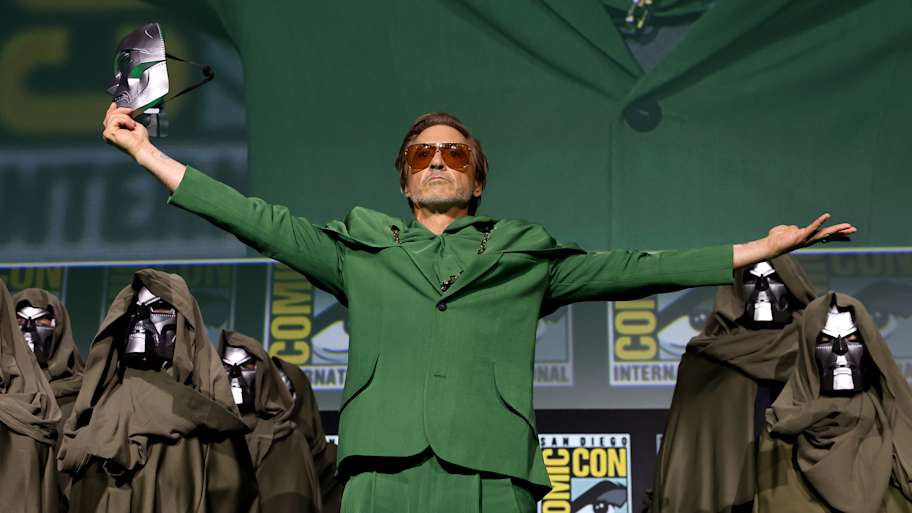
Director Matt Shakman initially claimed that Doom wasn’t part of the scenes he filmed, which led to some confusion among fans. But after months of anticipation, the truth emerged — Doctor Doom made a dramatic appearance in the first post-credits scene of the movie.

A Terrifying Introduction

The first post-credits scene takes place four years after the Fantastic Four saved their universe from an intergalactic threat. In this sequence, Sue Storm is reading a story to her son, Richard, when she senses something is wrong. As she turns to find the next book, the camera slowly reveals Richard reaching out to someone in the room — none other than Doctor Doom.

Though his back is turned and his mask is partially obscured, the moment is unmistakable. This scene was filmed by the Russo Brothers, which explains why Matt Shakman could claim Doom wasn't in the movie he directed. However, the appearance confirms that Doom is indeed part of the MCU’s future plans.

A Glimpse into the Multiverse

This brief but impactful scene establishes that Doctor Doom comes from Earth-828, where the Fantastic Four live. It also confirms that his mask is true to the comic book version. While Robert Downey Jr.’s portrayal of Doom remains a mystery, the inclusion of the mask hints at a faithful adaptation of the character.

In addition to this post-credits scene, there is a subtle Easter Egg in the film that indirectly confirms Doom’s existence. During a Future Foundation hearing, a representative from Latveria was supposed to be present, but no one showed up. This detail reinforces the idea that Latveria exists within the multiverse, specifically on Earth-828.

Setting the Stage for Avengers: Doomsday

Doctor Doom’s appearance marks a significant shift in the MCU’s narrative. With Spider-Man: Brand New Day set to release soon, The Fantastic Four: First Steps became the perfect opportunity for the villain to make his grand entrance. His arrival sets the stage for what promises to be a major storyline in Avengers: Doomsday.

Scheduled for release on December 18, 2026, Avengers: Doomsday will likely delve deeper into Doom’s plans to dominate the multiverse. Fans are already buzzing with excitement, eager to see how this new threat will shape the future of the MCU.

As the story unfolds, it’s clear that Doctor Doom is not just another villain — he is the next big bad, and his impact on the Marvel universe is only beginning.

George Lucas Makes Comic-Con Debut for First Time

Featured Image

Comic-Con 2023: A Celebration of Pop Culture and New Beginnings

Comic-Con is set to kick off in San Diego, California, with a sense of excitement that has been building for months. This year’s event promises to be one of the most anticipated in recent memory, with fans eagerly awaiting appearances from some of the biggest names in entertainment.

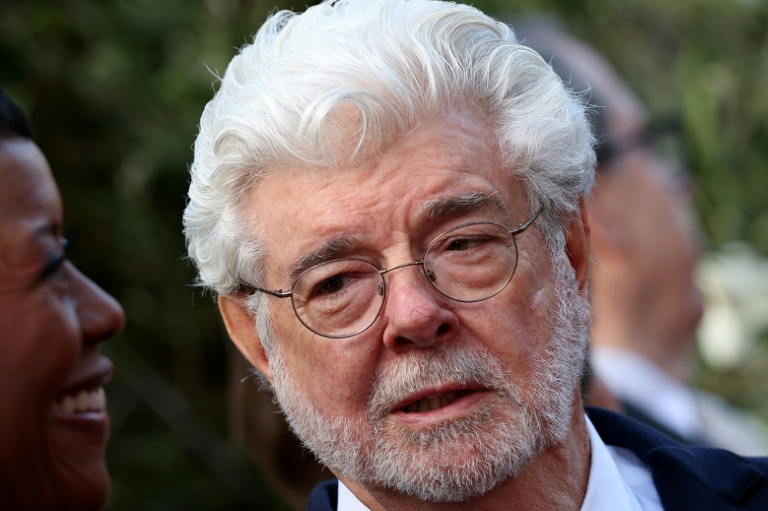
One of the most talked-about moments of the convention is the first-time appearance of George Lucas, the legendary filmmaker behind the "Star Wars" and "Indiana Jones" franchises. Despite the deep connection between Comic-Con and his work, Lucas has never attended the event before. His participation this year marks a significant milestone for both the convention and its community.

The event, which began in 1970 as a small gathering of pop culture enthusiasts, has grown into one of the world's largest celebrations of entertainment. This year, it will draw over 130,000 attendees who are eager to hear from Hollywood’s top talent and get a sneak peek at upcoming projects.

The Lucas Museum of Narrative Art

On Sunday, Lucas will participate in a special session moderated by Queen Latifah, where he will discuss the Lucas Museum of Narrative Art alongside Mexican director Guillermo del Toro and Oscar-winning artist Doug Chiang. The museum, scheduled to open in Los Angeles next year, will focus on illustrated narratives and will house the extensive Lucas archive.

David Glanzer, Chief Communications and Strategy Officer, shared his thoughts on the significance of Lucas’s presence. “Nearly five decades ago, Star Wars made one of its earliest public appearances at our convention, along with a booth featuring (comic book artist) Howard Chaykin’s now legendary Star Wars poster as a promotional item,” he said. “Now, to have Mr. Lucas... is a true full-circle moment. His lifelong dedication to visual storytelling and world-building resonates deeply with us and our community.”

Exciting New Releases and Panels

This year’s Comic-Con will also feature several high-profile premieres and panels. Marvel Studios, while making a smaller appearance than usual, will still offer exciting content for fans. Although they skipped their annual Hall H presentation, other events in the popular venue are expected to generate a lot of buzz.

On Friday, Hall H will host the world premiere of the pilot episode of "Alien: Earth," a prequel series directed by Noah Hawley. The show is set a few years before the events of Ridley Scott’s 1979 film "Alien" and aims to expand the iconic franchise.

Another fan-favorite is "Predator: Badlands," which will have its own panel on Friday. Director Dan Trachtenberg, known for revitalizing the "Predator" franchise with "Prey" (2022), will join stars Elle Fanning and Dimitrius Schuster-Koloamatangi, who plays the predator Dek. The panel is expected to reveal more about the production, which features the predator as prey rather than the hunter for the first time.

New Projects and Surprises

On Saturday, Ryan Gosling will join directors Phil Lord and Christopher Miller to present their new film "Project Hail Mary." Based on Andy Weir’s novel "The Martian," the film follows Ryland Grace, a former science teacher who wakes up on a spaceship on a mission to save Earth. The movie is set to debut in theaters next year.

Another highly anticipated event is the second season of "Peacemaker," with James Gunn and his cast expected to offer sneak peeks. Fans can look forward to exclusive content and insights into the upcoming episodes.

A Celebration of Fan Culture

Beyond the big panels and premieres, Comic-Con is also a celebration of fan culture. Thousands of attendees will dress as princesses, warriors, aliens, and other characters from the vast world of pop culture. This vibrant expression of fandom is a key part of what makes the event so unique and special.

Comic-Con runs from Thursday to Sunday, July 27, offering something for everyone. Whether you're a die-hard fan of "Star Wars," "Alien," or just love the spirit of pop culture, this year’s event promises to be an unforgettable experience.