





Today, I will concentrate on the necessity of increased financial transfers from the wealthy North to the South - especially during a period when President Trump and the United States, along with numerous other Western nations, are cutting back on aid. I will contend that these transfers need to increase and take various forms, with multinational corporations and the broader private sector actively involved - for social, health, climate change, and other reasons, as well as to support overall growth and a more equitable distribution of wealth in developing countries. There is still much to be done, albeit late, since the end of the Colonial era, and since the United Nations' and the West's efforts to establish a New International Economic Order (NIEO) in the 1970s. The initiative was managed by the UN Conference on Trade and Development (UNCTAD), founded in 1964, but despite good intentions, the effort did not succeed; the Geneva-based organization remains, albeit quietly; its significant goals and work should be reinvigorated. Last week, however, it hosted the '4th International Conference on Financing for Development' (FFD4) in Seville, Spain, where a comprehensive plan for a better world was adopted.
The Norwegian Minister for Development Cooperation, Åsmund Aukrust, was a prominent speaker at the conference held in Sevilla. He stated, "The world has never been wealthier - so why does poverty still exist?" In an article co-authored with Lisetta Trebbi, the Acting Director General of NORAD, the Norwegian Agency for Development Cooperation, published in 'Panorama Nyheter' in Oslo on 03.07.25, additional details and topics were discussed. The article highlights that in a world marked by conflict, climate change, and rising costs, it's easy to believe we can't afford more spending. However, the authors argue the opposite, citing data from the 'Global Wealth Report,' which indicates that global savings now exceed USD 500,000 billion—enough to eliminate extreme poverty multiple times over. "There are resources available, but they are being diverted away from developing nations," Aukrust and Trebbi write.
The difference between what is required to achieve the UN's sustainable development goals and the actual funding being provided is greater than ever. Each year, there is a shortfall of USD 4-5 trillion—equal to one percent of global private savings. Meanwhile, wealthy nations are reducing their development aid budgets. What explains this situation? The key contradiction lies in the use of tax havens, secret fund transfers, and the growing accumulation of wealth, according to Aukrust and Trebbi.
In the concluding declaration of the meeting, titled 'Compromiso de Sevilla', four key actions were outlined as part of a plan aimed at creating a fairer world for the poorest nations. First, there is a need to boost development assistance. Second, efforts should be made to enhance tax collection capabilities and systems in developing countries, with support from donor nations. Third, the private sector should contribute more positively to the development of these countries, rather than acting against their interests. At times, private enterprises require more stability for future activities, which might necessitate assurances from donor countries. Fourth, new mechanisms must be established to manage the substantial debts of developing countries, including debt cancellation. Several nations allocate more funds to debt repayment than they do to their own education and healthcare budgets.
Aukrust and Trebbi mention in their article that the Sevilla summit offers renewed optimism regarding development funding. 192 UN member nations continue to back these initiatives, despite the USA withdrawing from the process a few weeks ago. 'The Sevilla declaration sends a strong message: A different world is still achievable. Now, it's time for words to translate into action, and Norway will remain at the forefront,' the two Norwegian officials in charge of development aid state. Norway played a crucial role during the twelve-month preparatory phase for the conference, alongside Mexico, Nepal, and Zambia, with input from the remaining UN member states, NGOs, and the private sector.
I hold a more skeptical view regarding the implementation compared to Aukrust and Trebbi, and there isn't much novel in the pledges either—similar to UNCTAD's proposals for a New International Economic Order in the 1970s. Well, perhaps the increased involvement of the private sector is somewhat new. However, there is minimal specific information from Sevilla regarding what donor nations will actually do and how they plan to deliver aid, including the scale and methods of improving collaboration with developing countries. I am convinced that significant changes are necessary; otherwise, only limited progress will be observed—and just as in my younger days, when we had high hopes for UNCTAD and the NIEO, this will end up being merely a 'Sevilla dream.'
There is a need for a historical analysis alongside a future projection, highlighting the errors made by wealthy nations but also explaining how they, too, will gain from establishing a more equitable global order, among other things, regarding migration and the development of vibrant and optimistic local environments for everyone. This certainly implies improved, less corrupt, and genuinely democratic governance within developing countries. In many instances, new institutions must be established in these countries to manage the increased international transfers, involving governments, NGOs, and both local and international private sectors, including major multinational corporations. A new structure with shared local and international leadership is essential to build trust among people in both the North and the South in the new system and its implementation.
In relation to a Conference of the Parties (COP) summit several years back, a new framework for significant financial transfers aimed at addressing climate change and environmental crises was introduced, which also included compensation for past exploitation of developing nations by developed ones. A key element was that wealthy nations should take responsibility for rectifying past and ongoing errors. This is commendable, yet it appears that very little has been accomplished in terms of achieving these objectives, including the establishment of a substantial fund. At the most recent conference, COP29, held in Azerbaijan in November last year, both participation and media attention were reduced compared to previous gatherings. Despite the promising Sevilla concepts, their outcome might mirror that of the COP initiatives, similar to how the UNCTAD and NIEO ideas of the 1970s ultimately failed. I could be mistaken about the future of COP or the Sevilla roadmap. Nevertheless, specific actions are necessary to ensure success.
Who will make the necessary efforts to bring the Sevilla ideas to life? The first thought is the group that was involved in organizing the conference, particularly Norway, which was the sole donor country in the group, along with the UNCTAD offices in Geneva. It's time to stop making grand promises and raising unrealistic expectations. This approach is counterproductive to building trust in development assistance, which currently has a poor reputation due to high costs and limited outcomes. We need a new and significantly increased level of development aid, as well as entirely new methods of implementation. Recipient countries should take the lead, with donors playing a supporting role. People in developing nations experience the need for improvements in social and economic conditions daily. Rich countries also require a moral revival, not only for their own citizens but also because they cannot continue to expand their military budgets at the current rate. We all need to consider and carry out positive actions on the path toward creating the better world we all desire.
Provided by SyndiGate Media Inc. (Syndigate.info).


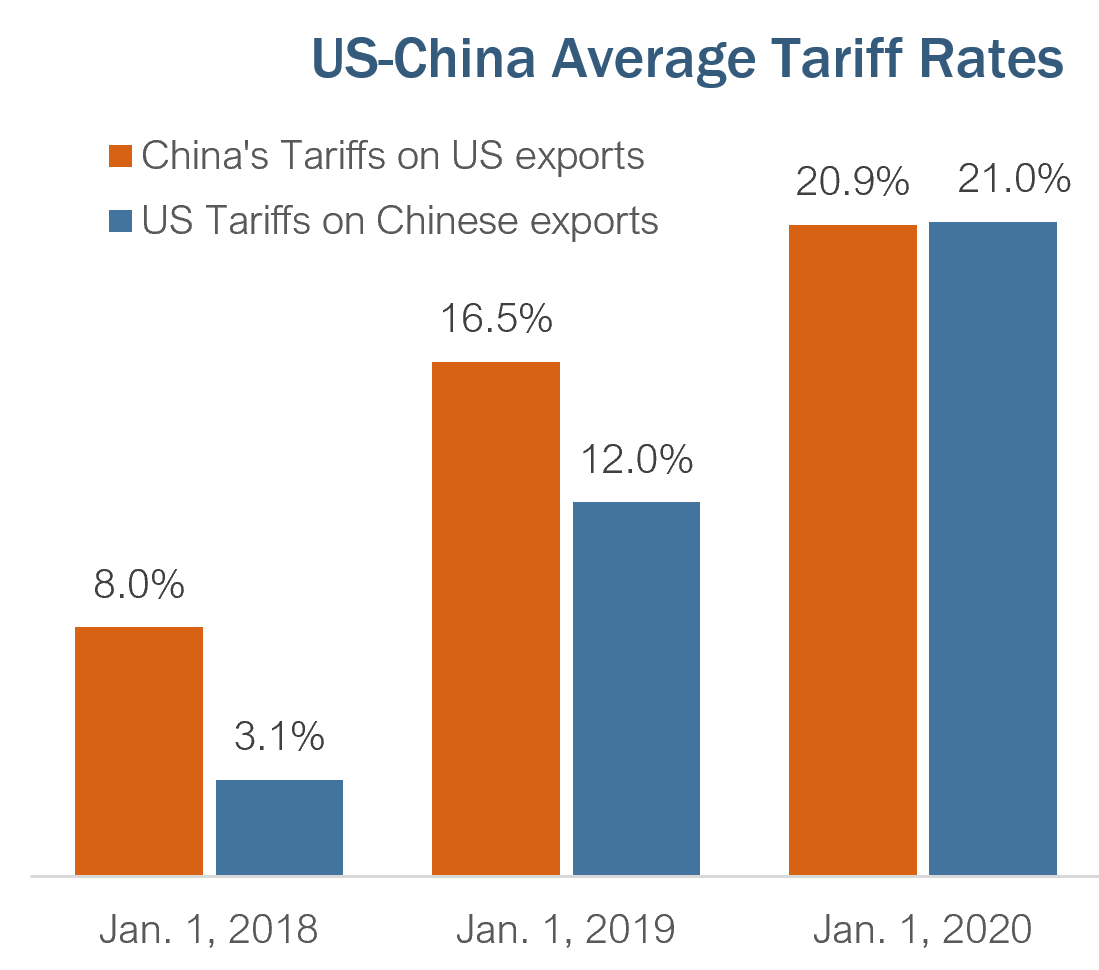 "Each investment is a risk," and Chinese factories are experiencing "significant losses" by manufacturing in Southeast Asian countries subjected to Trump's tariffs, as reported by industry experts.


 Dar es Salaam. Tanzania is being encouraged to implement deliberate economic policies aimed at creating dollar billionaires and enhancing its global economic influence. According to a new wealth report, the country currently has only one dollar billionaire and a limited number of high-net-worth individuals. The Africa Wealth Report 2023 indicates that Tanzania has 2,400 individuals with a net worth exceeding $1 million. Out of these, only six have assets above $100 million, while the country has just one billionaire despite being the second-largest economy in East Africa. Also read: 435 Tanzanians join the billionaires' club - The Citizen Tanzania While the number of millionaires has risen by 20 percent over the past decade, economists believe this figure could be much higher if the country had strategic policies to support fast-growing local investors capable of expanding into international markets. "The government could significantly boost some of our wealthy entrepreneurs by matching or even partially matching their capital. That alone could reduce our reliance on imports," said Dar es Salaam-based entrepreneur Amina Salum. Experts cite the United States and China as examples of countries that have used state support to create global economic powerhouses. In 2024 alone, the US government allocated over $180 billion in subsidies to domestic companies. Firms such as Boeing, Intel, Amazon and Tesla have benefited from subsidies, tax exemptions and government-backed loans to support research, manufacturing and exports. Such policies have enabled the US to remain a global tech leader, create millions of jobs and use multinational corporations as ambassadors of national influence. China, through institutions like the China Development Bank, has extended low-interest loans and subsidies to companies such as CCCC and China Railway Engineering Corporation, enabling them to execute infrastructure projects across Africa and Asia. Backed by their government, these companies have expanded aggressively, securing contracts in many countries, strengthening China’s global economic influence. Level playing field no longer enough Tanzania has long promoted a “level playing field” approach for all businesses. But analysts say this neutral policy risks holding back local firms with the potential to create wealth and export influence. "Tanzania needs a strategy to support businesses that have proven capacity to create jobs, grow exports and increase tax revenues," said Prof Abel Kinyondo, an economist at the University of Dar es Salaam. He said targeted support could include direct financial subsidies, time-limited tax relief to reduce operating costs and credit guarantees to help companies access large-scale capital. "Strategic preferential treatment works. Ethiopia is already applying it in aviation. Their national airline is now among the best in Africa because it enjoys specific government support," he said. Prof Kinyondo emphasized the need for strong oversight and transparency, saying only experienced, high-performing entrepreneurs should be considered for such support. Another economist, Prof Dickson Pastory of the College of Business Education, said empowering local investors can also enhance national security by reducing dependency on external suppliers for essential goods. "For crucial sectors, supporting domestic production guarantees supply. It also improves Tanzania’s competitiveness in the global economy," he said. While financial subsidies may be challenging for developing countries, Prof Pastory said tax exemptions could achieve similar results. "Reducing tax burdens allows businesses to expand and create more jobs, ultimately boosting national GDP," he noted. BoT support mechanisms already in place The Bank of Tanzania (BoT) has on several occasions expressed willingness to support local businesses through the Export Credit Guarantee Scheme (ECGS) and the SME Credit Guarantee Scheme (SME-CGS). These aim to help private-sector players with bankable projects access financing even when they lack sufficient collateral. In June 2023, at the height of the dollar shortage, BoT governor Emmanuel Tutuba said the central bank had taken steps to encourage domestic production and promote import substitution. He said the BoT board had visited several strategic sites to assess opportunities to boost exports and foreign exchange earnings. "We wanted to know what investors need to scale up production and exports, especially in terms of financial support." Provided by SyndiGate Media Inc. (Syndigate.info).
 Artificial intelligence is set to become "a key driver for China's modernization," according to Huachuang Securities, aligning with the positive perspective of Morgan Stanley, UBS, and other institutions.

